Supporting Healthy Growth and Development
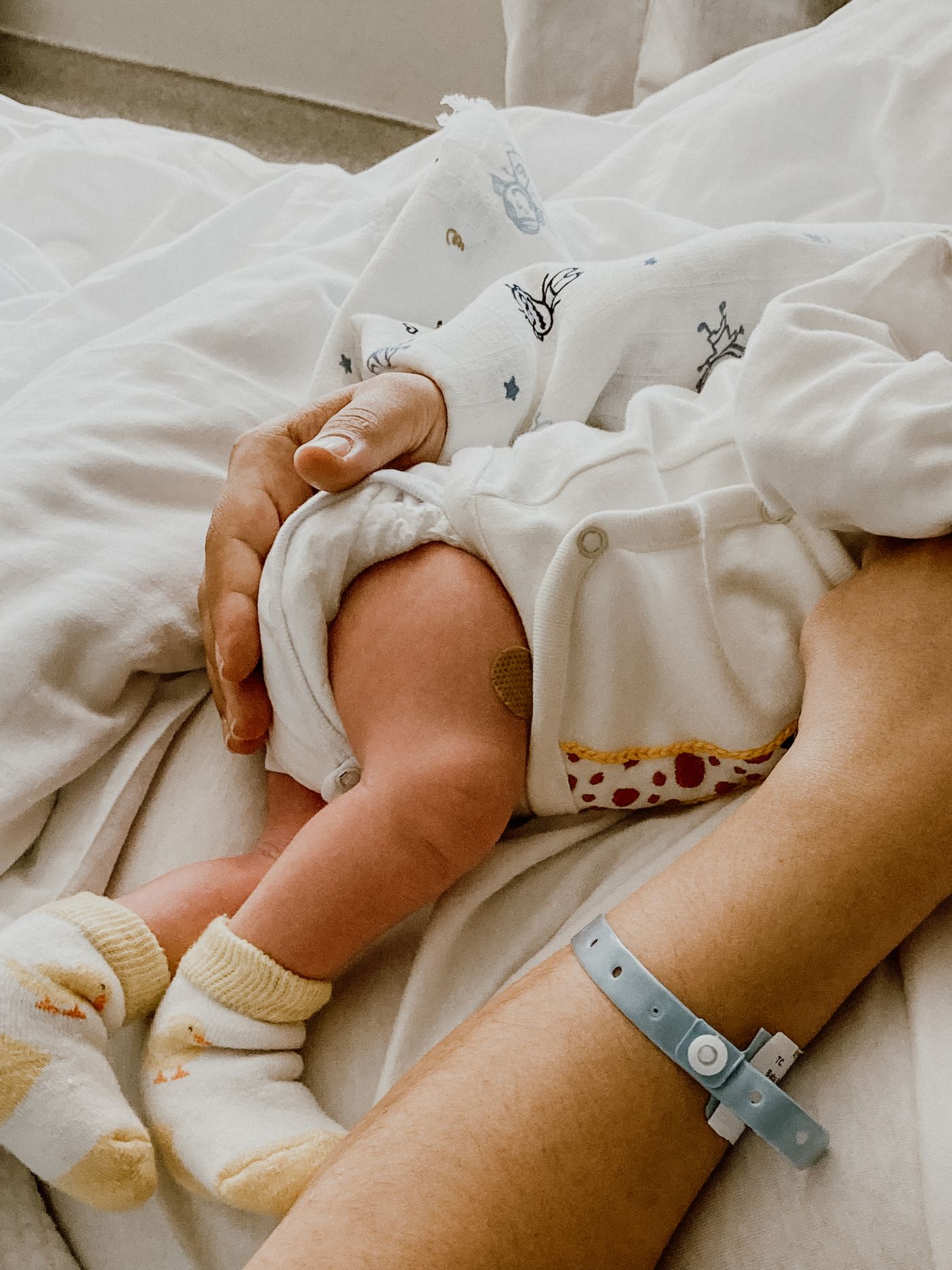
Every child grows and develops at their own pace. General milestone information can help families know what to look out for, but it is not a test — it is simply a guide for conversations with a healthcare professional.
What we mean by milestones
Milestones describe broad skills that many children develop around similar ages — such as first sounds, sitting, walking, or early words. The range of typical development is wide, so two children of the same age may reach milestones at different times.
Stages at a glance
- Newborn: feeding, sleep patterns and early bonding experiences.
- Infant: responding to faces and voices, and beginning to explore movement.
- Toddler: developing language, coordination and growing independence.
- School-age: building social skills, learning and activity habits.
Everyday ways to support development
Reading together, talking, playing, and creating a predictable daily rhythm can all support a child's development. Play is one of the most powerful ways children learn about the world around them.
When parents may wish to seek guidance
If you have concerns about your child's development, or simply want reassurance, it can be helpful to speak with a qualified pediatric professional. Early conversations often provide clarity and support. Trust your instincts as a parent — you know your child best.